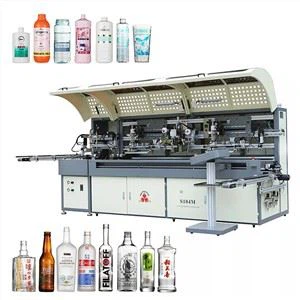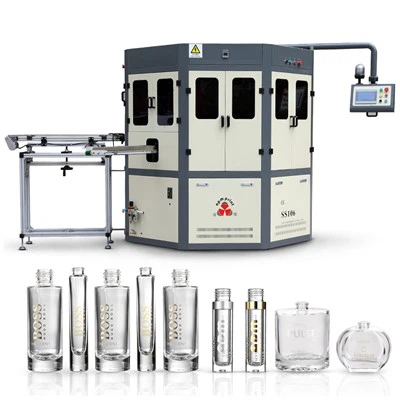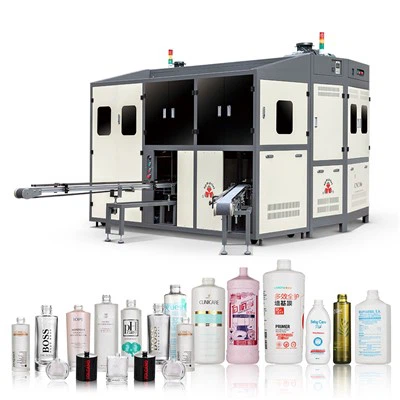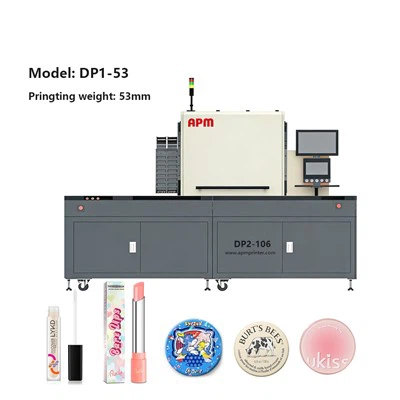

When it comes to screen printing, solvent-based inks are always the first choice. They last long, are completely opaque, and print superbly. They are the most effective inks, but they are toxic.
In general, beginners should start with water-based inks, as they are safer than solvent-based inks. They are not as durable or opaque as solvent-based inks, but the prints they produce are still of high quality. Water-based inks do not require organic solvents to clean after printing, and because they do not contain hazardous chemicals such as PVC and phthalates they have a softer feel.
Printing on dark textiles can use discharge inks. They bleach the fabric to make the design stand out against the white background. In general, materials that do not wash often are best for use with discharge inks, as they do not last as long as other forms of ink.
About t-shirt screen printing, plastisol inks are often used. In addition to being durable and opaque, they also provide superior quality prints like reflective screen printing inks. The durability and opacity of the print make plastisol inks ideal for fabric screen printing inks.
UV-curable inks in UV printers dry quickly when exposed to UV light, making them ideal for mass production. Use them to produce high-quality prints with true-to-life color and a high level of fade resistance. But they can be expensive and in some cases even destroy ecosystems.