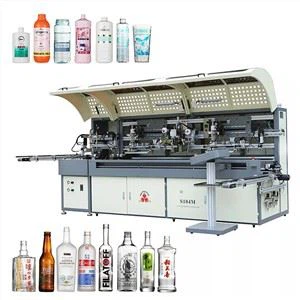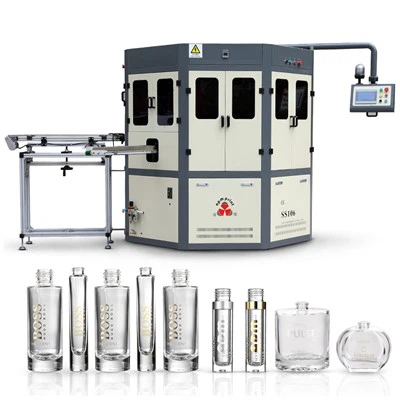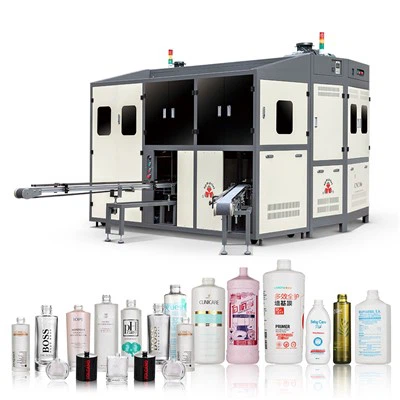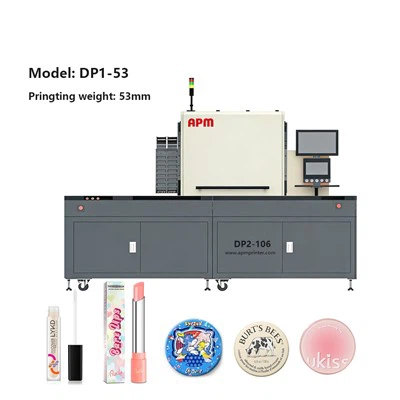

Flat screen printing is a widely used printing process in the textile and electronics industries. The process involves applying ink onto a flat surface through a mesh screen, which is used to transfer the image onto the substrate. To achieve accurate and consistent printing results, the screen must be held at a constant distance from the substrate, and any vibrations or variations in pressure must be minimized. This is where the off-grid device, also known as the off-contact device, comes into play.
The off-grid device is mounted on the flat screen printing machine and is responsible for maintaining a constant gap or distance between the screen and the substrate during printing. The device consists of two components: a spring-loaded mechanism and an adjustment knob. The spring-loaded mechanism controls the amount of pressure applied to the screen, while the adjustment knob is used to control the gap between the screen and the substrate.
During the printing process, the screen is lowered onto the substrate until it makes contact. Once the screen touches the substrate, the spring-loaded mechanism kicks in and suspends the screen slightly above the substrate. This suspension prevents the screen from dragging or smudging the ink on the substrate, which can compromise the quality of the final print. The amount of pressure applied by the spring can be adjusted to suit the requirements of the substrate and the ink being used.
The adjustment knob on the off-grid device is used to control the gap between the screen and the substrate. This gap is known as the off-contact distance and can be adjusted depending on the thickness of the substrate and the viscosity of the ink being used. A smaller off-contact distance is preferred for thin substrates, while a larger distance is preferred for thicker substrates.
In conclusion, the off-grid device is a crucial component of the flat screen printing machine that ensures accurate and consistent printing results. It maintains a constant gap between the screen and the substrate, which prevents smudging and dragging of ink. Its adjustable features make it versatile and suitable for use with a wide variety of substrates and inks.